
Mapping the North Central Highland’s energy future
A story of new proposals, grid constraints and growing local government opposition.
A story of new proposals, grid constraints and growing local government opposition.
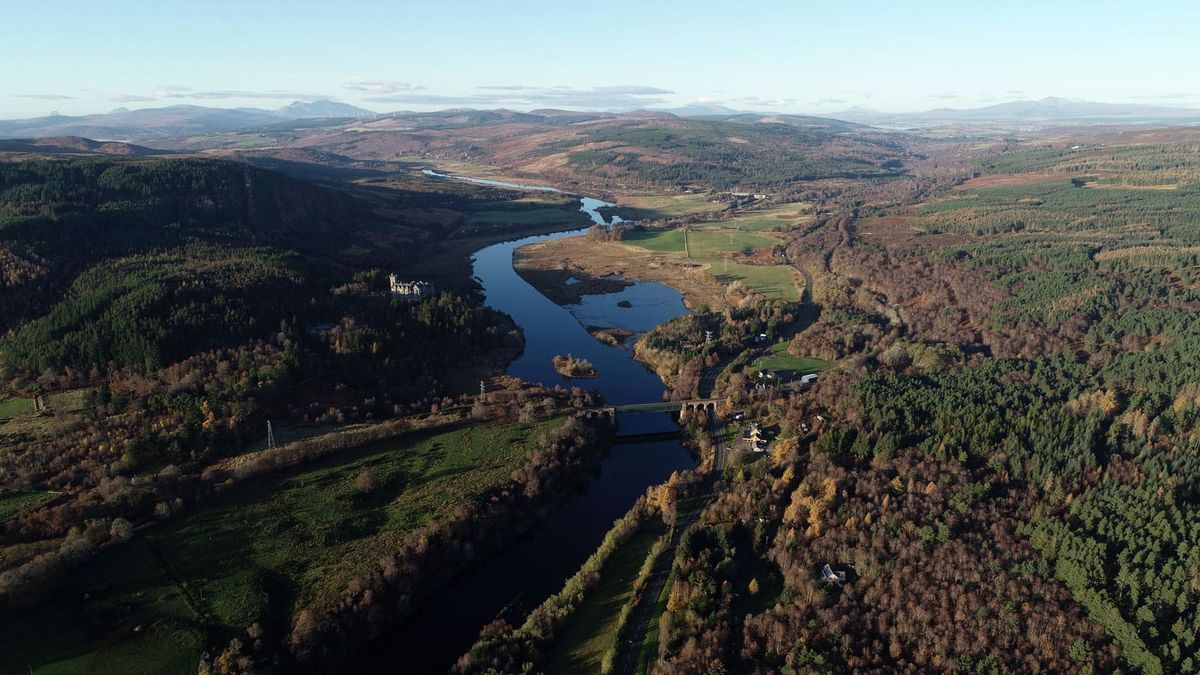
In June 2025 Kyle Chronicle mapped all the wind farm developments either built, approved, and in planning or scoping for the Kyle of Sutherland and surrounding area. The resultant map highlighted how communities in central and south Sutherland and Easter Ross have been overwhelmed in recent years by what feels like a relentless flow of wind farm applications, appeals and reapplications, and by a planning process that seems designed to bypass local democracy.
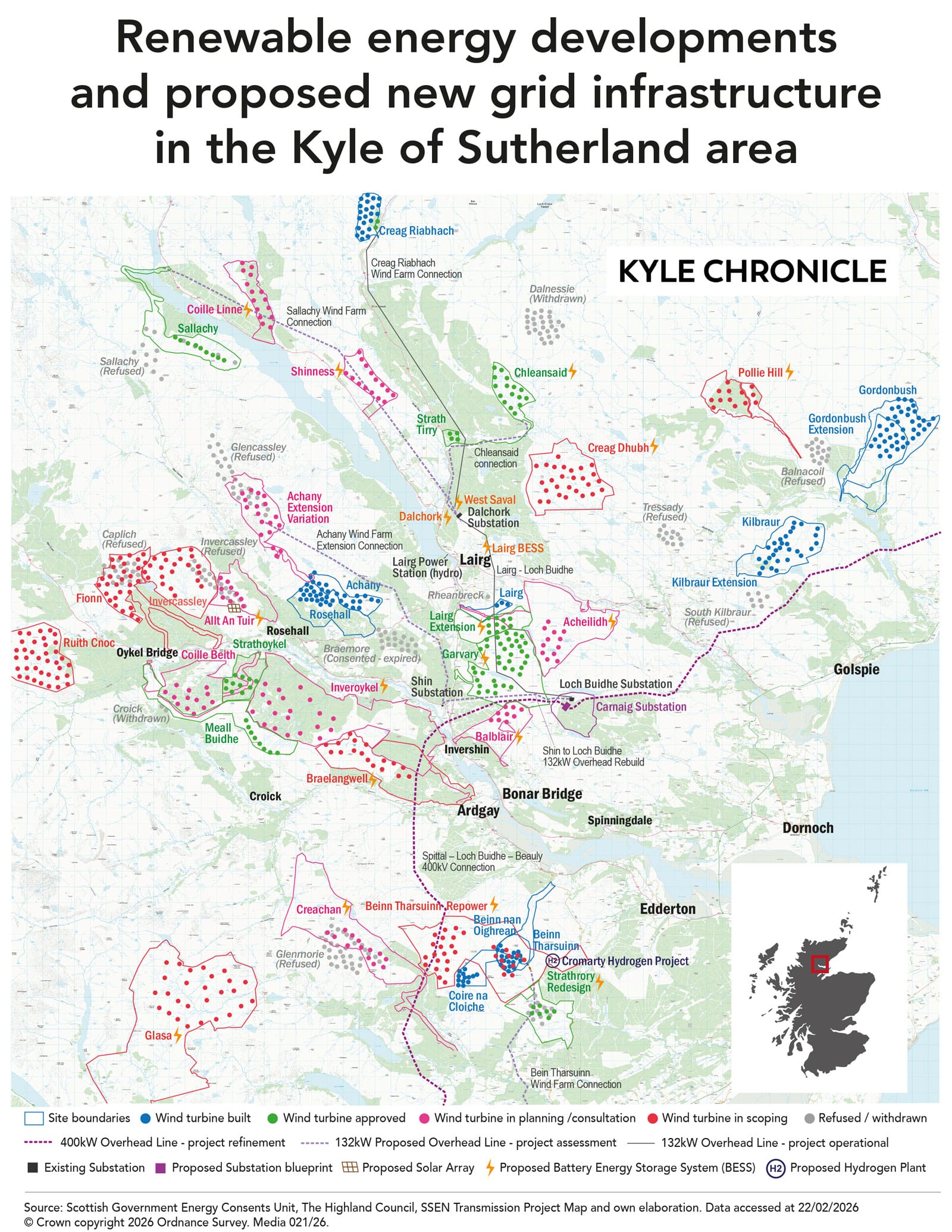
New proposals
Since June 2025, there have been 8 new wind farm proposals for this area on the Energy Consents Unit (ECU) site. A new application is logged when a project is submitted for the first time (scoping), once a proposal starts the planning process (consultation), and when a developer seeks to change a project that had been previously granted permission (variation). So, our area had 8 out of the 19 wind farm proposals for the whole Highland Council region, including three brand new wind farm sites projected: Fionn (on the site of a previously refused project called Caplich); Ruith Cnoc, west of Oykel Bridge, and Creag Dhubh, north-east of Lairg. These newly proposed developments bring the figure of wind turbines projected or approved to 402, which potentially could generate over 3GW. These new wind turbines are between 150 and 250m high, compared to the 172 wind turbines operational in the area, with heights between the 80m on Beinn Tharsuinn and the 150m of Gordonbush, and a combined installed capacity of 384.5MW.